Nooktly
Why Moisture Barriers Fail in Production: A Deep Dive into Moisture Vapor Transmission Rate
Introduction
Have you ever opened a roll of packaging film and found it humid inside—right when you needed it dry? That surprise is more common than people think. Moisture vapor transmission rate sits at the center of that problem; it’s the measurable rate that determines how much water vapor passes through a material over time. Recent sampling of flexible packaging lines shows failure rates up to 12% when specs aren’t matched to real conditions (warehouse heat + seasonal swings). So what exactly is going wrong on the shop floor—and who pays for it? I ask this because I’ve seen teams chase symptoms while the real issue hides in test methods and assumptions. Let’s move from the scene to the root causes.
Part 2 — Traditional Solution Flaws and Hidden User Pain
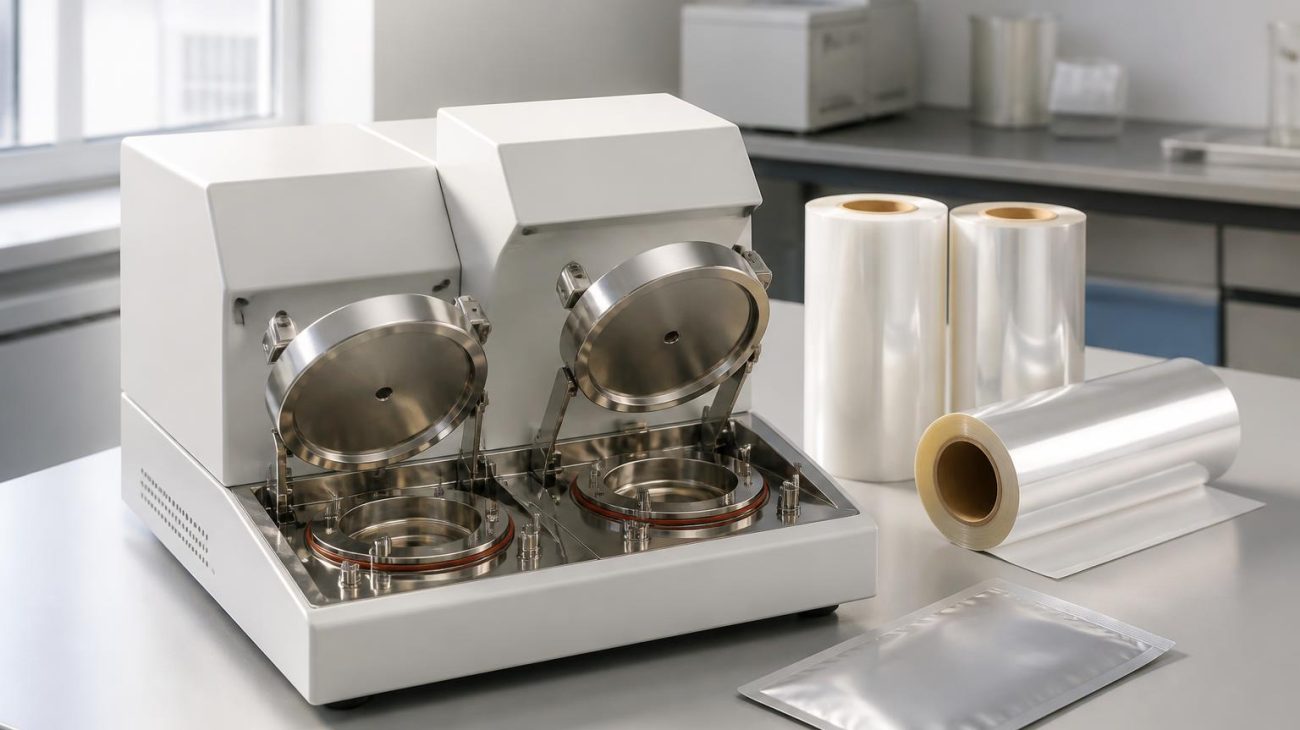
Start with what we use: a water vapor permeation tester for films measures permeation under fixed lab settings. That instrument is essential, but it’s not the whole story. I’ll be blunt: many labs run standard tests and assume the results map straight to real-life storage or transport. They don’t. Barrier film performance changes with temperature swings, surface defects, and edge sealing quality. Permeation rate varies nonlinearly; calibration can mask small defects until a batch fails in the field. Look, it’s simpler than you think—test conditions matter as much as the sample itself.
Why do users still struggle?
Because user pain is layered. Teams expect pass/fail numbers. They don’t get guidance on margin under real conditions. I’ve worked with packaging engineers who told me they trusted lab reports only to find out later that seal integrity and micro-pinholes—things invisible to routine checks—caused spoilage. There’s also a human side: production managers under time pressure opt for faster, cheaper films and accept higher risk. Add in limited access to skilled technicians and inconsistent calibration routines, and you have a recipe for surprise returns. Two industry terms matter here: permeation rate and calibration. Also consider sensor array placement when you audit a process. These factors together explain why many "good" results in a controlled test don’t prevent failure in transit — funny how that works, right?
Part 3 — New Principles and a Forward-Looking View
Now I want to look forward. I believe the next step is not just better testing machines but smarter testing principles. New protocols couple traditional water vapor tests with dynamic stress profiles that mimic actual warehouse cycles—temperature, humidity swings, and mechanical stress. Integrating inline monitoring and intermittent verification with a water vapor permeation tester for films gives a fuller picture. In practice, that means combining lab-derived permeation rate data with field telemetry from sensor arrays and simple spot checks on seal lines. When we do this, failure modes shift from “unexpected” to “predictable.” I’ve helped teams cut field failures by half using this layered approach—small gains add up, and yes, it matters.
What’s Next?
We should adopt three evaluation metrics before choosing a solution: 1) real-condition margin (how the film behaves under expected extremes), 2) calibration traceability (who and how often), and 3) monitoring readiness (can you detect drift on-line?). I’m recommending these because they’re measurable and actionable. To close, I want to say I’m optimistic. We can move from firefighting failures to preventing them, with clearer tests, better field data, and smarter processes. For teams that want practical help, I point to vendors that support integrated workflows and robust instrumentation. For more on testing systems and workflow integration, consider checking resources from Labthink.