Nooktly
Creating a Relaxing Water Garden: Planting a Self-Sustaining Pond with Confidence
A practical guide to building a small water garden, selecting pond plants, and maintaining balance for year‑round interest.
Starting with Vision and Design
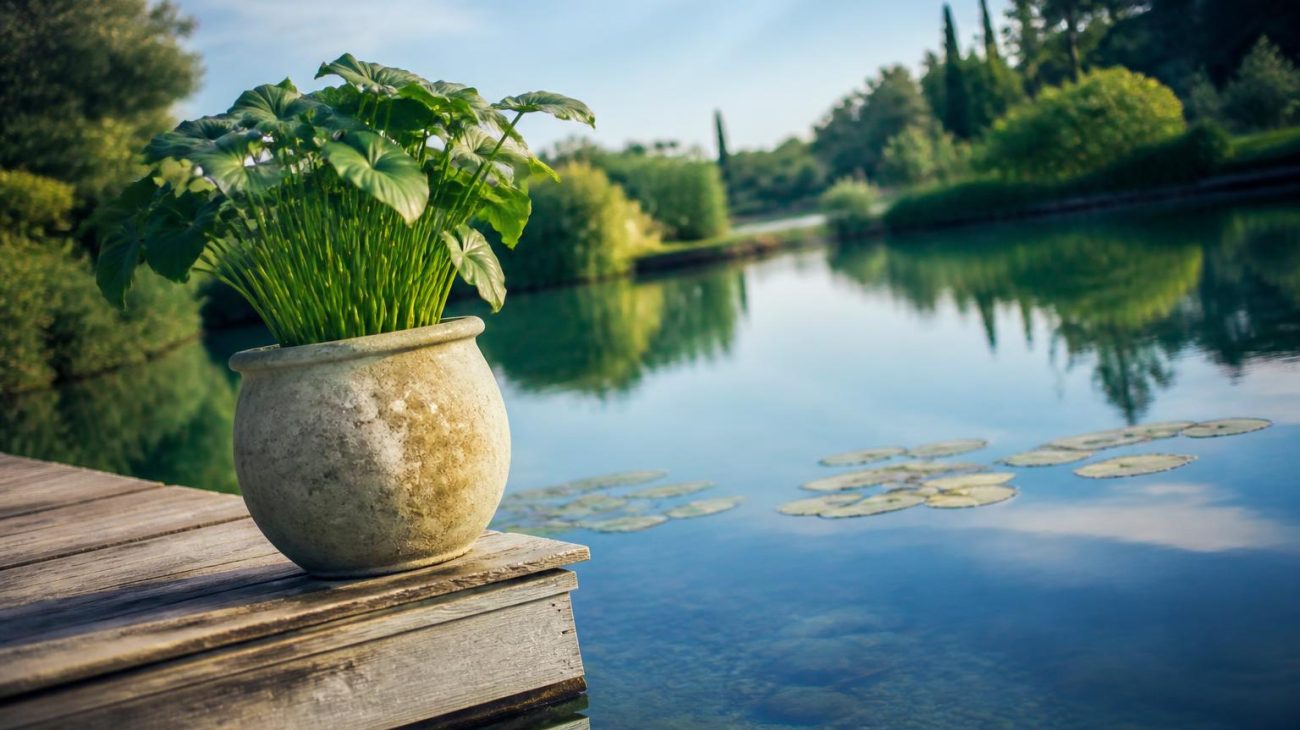
When planning a water garden, begin with a clear vision of how the space will feel across the seasons. Consider sun exposure, shade pockets, and proximity to walkways so you can enjoy movement and color from multiple angles. The right layout invites wildlife without overwhelming the yard, and it helps you choose a sustainable planting scheme that requires manageable maintenance. British Pond Plants can provide starter ideas that fit small spaces and varied microclimates while staying true to garden practicality.
Start with a sketch that marks the pond’s shape, depth, and planting zones, then translate it into a practical plan for edging, liners, and filtration. A shallow shelf around the margin supports marginal pond plants while a deeper core gives water lilies room to spread without crowding the surface. This foundation fosters a calm, cohesive look and reduces the chance of boggy, muddy edges after rainstorms.
Choosing the Right Water Features
Water features should harmonize with the garden’s overall style, whether it mimics a wild woodland stream or a deliberate, geometric pool. A gently sloping bank creates a natural ripple, while a compact fountain adds sound and movement that mask distant street noise. Plan for seasonal changes, ensuring the pump remains accessible for winter shutdowns and that hoses avoid sharp corners for longevity.
Consider the noise level and energy use when selecting a pump, as quieter, efficient models reduce daily stress on the system. A small waterfall edge can showcase cascading water while providing an inviting habitat for tiny invertebrates. The result is a serene focal point that pairs well with nearby seating or a shaded patio, inviting regular, mindful visits throughout the year.
Pond Plant Selection: Core Groups
The plant palette should balance texture, color, and growth habit. Water lilies deliver broad, rounded leaves and showy blooms that rise above the surface, creating a striking focal point. Marginal pond plants stabilize the edges and weave color into the margins, while submerged varieties contribute essential oxygen and clarity to the water. Choose species with compatible growth rates to maintain clear zones and avoid crowding.
In addition to lilies and marginals, incorporate a few robust, low-maintenance pond plants that tolerate varying moisture. For small ponds, compact varieties perform best, while larger ponds can accommodate a layered mix of textures. Regular pruning during the growing season keeps the bed tidy and prevents overgrowth from shading critical water zones, preserving light for submerged plants and ensuring healthy algae balance.
Positioning and Planting Techniques
Planting depth matters: water lilies typically need several inches of submersion to unfold flowers without their leaves dipping into the mud, while marginals thrive at the water’s edge where soil stays consistently damp. Use textured, durable containers to contain root systems and facilitate seasonal repotting. Group plants by water needs to simplify care and prevent one species from dominating the other zones.
When planting, loosen compacted soil and add a light layer of compost or slow-release fertilizer only where appropriate, carefully avoiding root disturbances of neighboring plants. Mulch the banks with gravel or pebbles to stabilize soil and provide a clean, natural edge. A tidy approach reduces weed intrusion and preserves a neat, garden-like appearance even during wet seasons.
Maintenance Cycles and Seasonal Care
Regular inspection is essential to early detection of slug damage, root encroachment, or algae blooms that can cloud water. Establish a simple weekly routine: skim debris, check pump function, and observe leaf health across pond plants. In spring, remove winter debris and cut back any frost-damaged foliage to encourage fresh growth and a robust, balanced ecosystem.
Autumn preparation should focus on protecting plants from chill winds and ensuring no water becomes stagnant as temperatures fall. Remove excess plant matter that might rot and invite pests, but avoid removing too much at once, which can disrupt beneficial microfauna. By maintaining a steady rhythm, the pond remains a resilient feature that supports wildlife without becoming a maintenance burden.
Wildlife, Balance, and Seasonal Beauty
The pond acts as a microhabitat, inviting dragonflies, frogs, and birds while offering a tranquil retreat for people who want no people in the immediate space. A balanced mix of pond plant and open water attracts a spectrum of life without smothering it with too much shade or nutrient load. Introduce a few native or well-adapted species to encourage a resilient ecosystem that handles weather swings gracefully.
Bird-safe water features, such as smartly placed perches and shallow dipping zones, help integrate wildlife without creating clutter. Maintain a diverse planting ensemble to shelter larvae and provide seasonal nectar for visiting insects. The result is a garden feature that looks alive year-round, with color peaks in late spring and early autumn carrying through to winter interest in evergreen margins.
Finishing Touches: Edges, Lighting, and Color
Edges crafted from natural stone, timber, or robust paver bands create definition while blending into the surrounding garden. Subtle lighting along the margins extends enjoyment into dusk and supports nighttime viewing of water lilies and reflective surfaces. Choose warm white bulbs and place them low to the waterline to avoid glare and protect nocturnal visitors.
Color comes from foliage and blooms rather than heavy ornamentation. Pair bright white or pale pink lilies with deeper greens of marginal plants and a few variegated grasses for vertical interest. The interplay of light, water, and plant texture yields a tranquil scene that rewards patient observation and careful seasonal adjustments, rather than frequent overhaul.
Two or Three Practical Enhancements
H3: Subtle Texture and Depth The addition of a shallow rock shelf near the edge gives marginal pond plants a stable foothold while letting the water remain visually expansive. Layered rock colors, from warm tan to slate gray, reflect how light plays across surfaces, inviting a sense of depth without crowding the central water area. This texture enriches the garden with a quiet, tactile dimension.
H3: Seasonal Color Shifts Plan for gradual color changes by rotating a couple of plant varieties in and out of bloom windows. The timing keeps the scene fresh from late spring through early autumn, avoiding monotony. Maintain a compact undergrowth of low-leaf plants to keep paths visible and maintain near-water interest throughout fluctuating weather.