Nooktly
Comparing Performance: How a Smart Approach to Laser Cutter Fume Extractors Beats Old Tricks
Introduction — What We Mean by Clean Air in the Workshop
I’ll start by defining the core idea: a fume control system must remove both gases and particles without throttling a shop’s productivity. In many shops today, the laser cutter fume extractor is treated like an accessory instead of a system component; that leads to downtime and bad air quality (I’ve seen it first-hand). Current studies show that poorly designed capture systems can leave 30–50% of ultrafine particles in the breathing zone—so what really separates a safe setup from a risky one?
Here I break down terms you’ll meet: HEPA filter, activated carbon, static pressure. I want to be clear and practical. I’ll point out where common thinking goes wrong, and then I’ll suggest what to look for when you decide to upgrade—step by step. Let’s move into the heart of the matter with a focus on real failures and fixes.
Why Conventional Systems Fall Short
I’m blunt: many traditional extractors only chase airflow numbers and ignore capture efficiency. When we talk about a fume extractor laser cutter, the goal isn’t just to move a lot of air. It’s to pull contaminants right at the source and filter them without creating noise, excess wear, or high power draw. In practice, a too-weak motor combined with long ductwork kills performance. Fan velocity may look good on paper, but static pressure losses in bends and restrictive filters mean the smoke ends up in the room anyway. Look, it’s simpler than you think: airflow without targeted capture equals wasted energy and risk.
I’ve audited shops where operators believed a big blower solved everything. It didn’t. The layout ignored particle capture strategies—no source capture hoods, poor placement of intakes, and mismatched filter grades. The result: filters load unevenly, HEPA elements get bypassed, and activated carbon beds saturate fast when VOCs are present. Maintenance becomes reactive—sudden clogging, burned motors, surprise downtime. That’s costly and preventable. We need to evaluate static pressure, filter efficiency, and real-world capture (not just cubic feet per minute). Why ask those questions? Because the difference shows up in worker health and machine uptime.
Where does the real failure begin?
It usually starts at design—wrong assumptions about plume shape, underestimating thermal lift, and ignoring particle agglomeration. These are technical details, yes, but they translate directly to everyday problems: sneezes, headaches, and lost production.
New Principles for Next-Gen Systems — What I’d Recommend
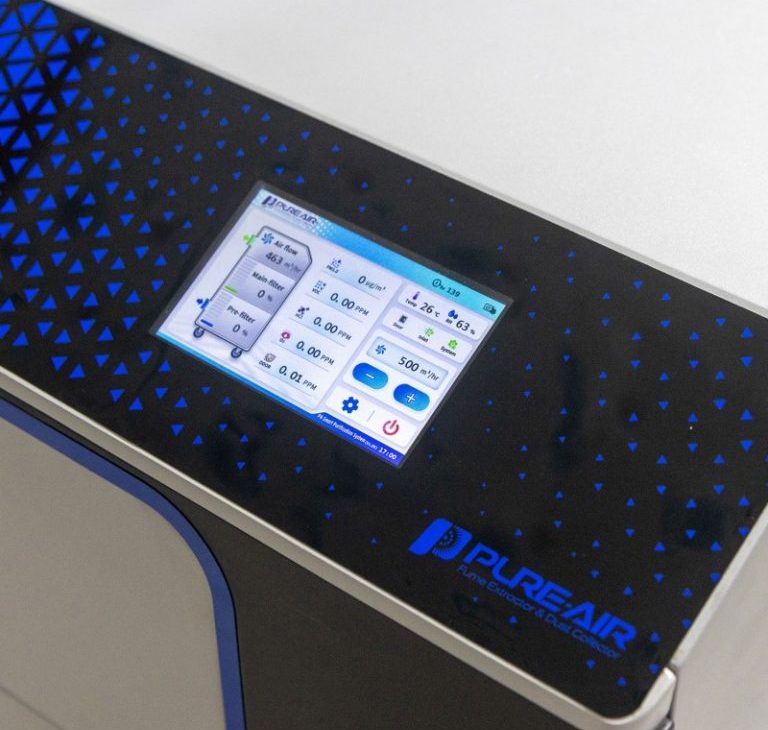
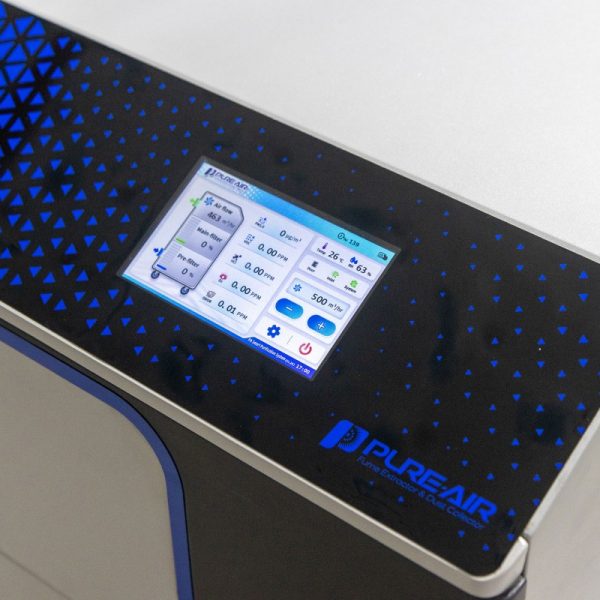
Now let’s be forward-looking. I favor systems that combine targeted capture geometry with intelligent airflow control and modular filtration. A modern fume extractor laser cutter setup uses variable-speed drives to match fan output to real-time needs (saves power converters from stress), plus staged filtration so HEPA media isn’t wasted on coarse debris. Edge computing nodes—yes, small local controllers—help monitor differential pressure across prefilters and alert teams before performance collapses. That’s the technical spine of a reliable system.
Conceptually, think source capture first, then transport, then filtration. If you get capture right—hood shape, nozzle distance, laminar flow where possible—you dramatically reduce load on the filter bank. Combine that with sensors for particle count and VOCs and you can shift from calendar-based maintenance to condition-based servicing. It’s a smarter lifecycle, and—funny how that works, right?—it saves time and budget in the medium run. I’ve piloted retrofits where shops halved filter spend and cut noise levels by half, simply by rethinking airflow paths and adding a modest control layer.
 What’s Next: Practical Steps
Here are three metrics I use when evaluating systems: capture efficiency at the nozzle (percent), system static pressure (Pascals), and total cost of ownership over five years. Measure these and you’ll see which designs are posturing versus performing.
To close, I’ll be candid. I prefer real-world data over glossy brochures. When choosing a system, ask for on-site smoke tests, differential pressure logs, and a clear maintenance plan. Those items reveal integrity. For suppliers, I recommend looking at companies that combine thoughtful mechanical design with simple digital monitoring—this mix gives you both reliability and insight. If you want a practical next step, start with a capture audit and work outward.
For those exploring proven solutions, I’ve found that working with established providers simplifies that path—see PURE-AIR for product options and documented case examples.