Nooktly
Asset-Grade Vehicle Shelters: Applying Tent-Pole Load Logic to Freestanding Canopies
Operational problem and immediate trade-offs
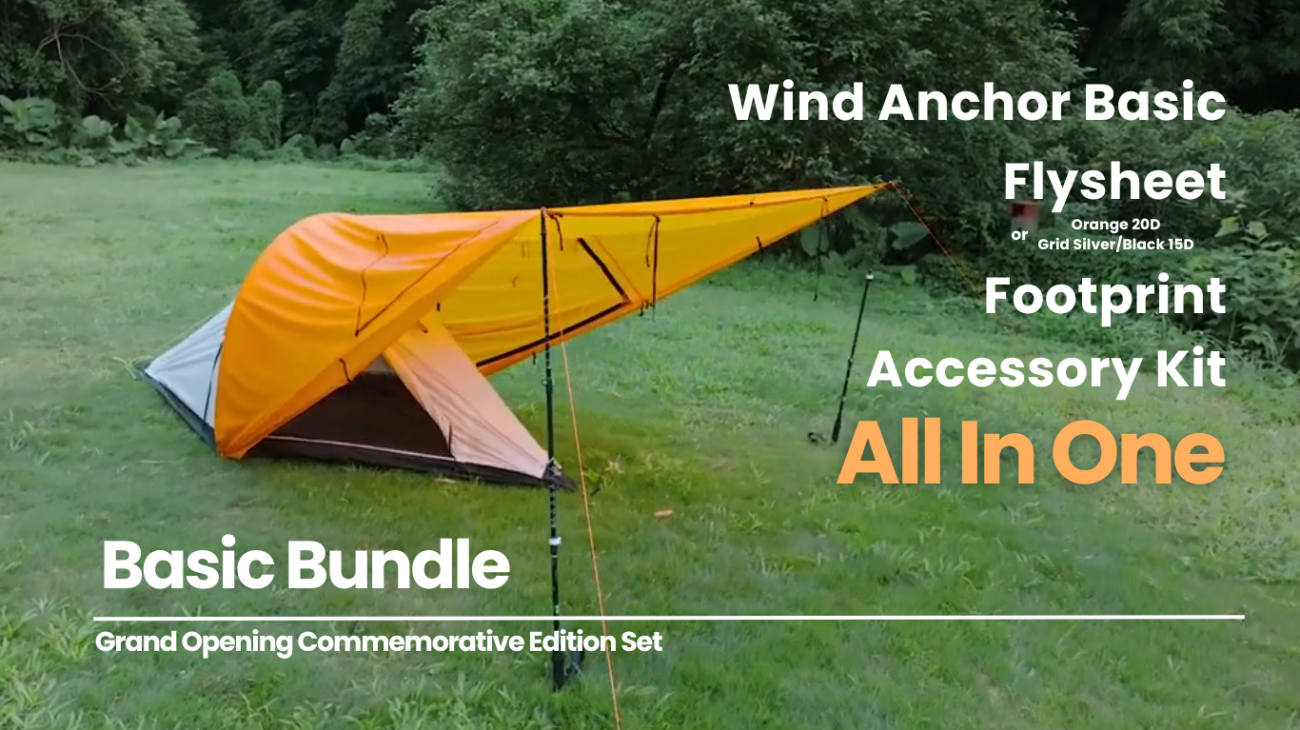
Operators face a clear problem: vehicle-integrated shelters promise rapid deployment but frequently transfer unpredictable loads and corrosion risk to the host asset. The alternative—freestanding solutions—reduces attachment complexity but raises footprint and anchoring costs. A common market compromise is a car extended tent that enlarges usable area without permanent vehicle modification; that design reduces attachment stress but shifts the decision to canopy load-path and anchoring strategy, which often lacks clear procurement metrics.
Field evidence that grounds the assessment
Direct product exposure at the Outdoor Retailer trade show in Salt Lake City revealed the practical consequences of those trade-offs: a handful of vendors converged on different anchoring philosophies, but the most consistent performer during comparative wind and setup demonstrations was a modular car side tent whose rated interface isolated vehicle loads and simplified teardown. That single, observable data point matters: trade-show demonstrations rarely replicate multi-day field stress, yet they highlight recurring design choices that carry into real-world deployments.
Technical evaluation: what to quantify
Procure against measurable criteria. Specify lateral and uplift wind ratings (use ASCE or ISO equivalencies), connection shear limits at the vehicle interface, canopy fabric hydrostatic head, and MTBF expectations for zippers and fasteners. Require lab or third-party wind-tunnel verification when capex exceeds mid-market thresholds. Budget for a quantified TCO: CAPEX, expected maintenance intervals expressed in service hours, and a salvage or replacement schedule. Treat sealing details and abrasion points as line items; small failures compound into fleet-level downtime.
 Common procurement mistakes to avoid
Don’t accept manufacturer claims without test evidence. Avoid designs that rely on vehicle body panels for primary load transfer unless drawings show structural reinforcement and corrosion mitigation. Don’t under-spec guyline or stake systems for the intended geographies—what works in a calm sales lot fails on exposed highways or coastal campsites. Pricing decisions that ignore replacement-part availability and lead times create hidden operating risk.
Comparative alternatives and short evaluations
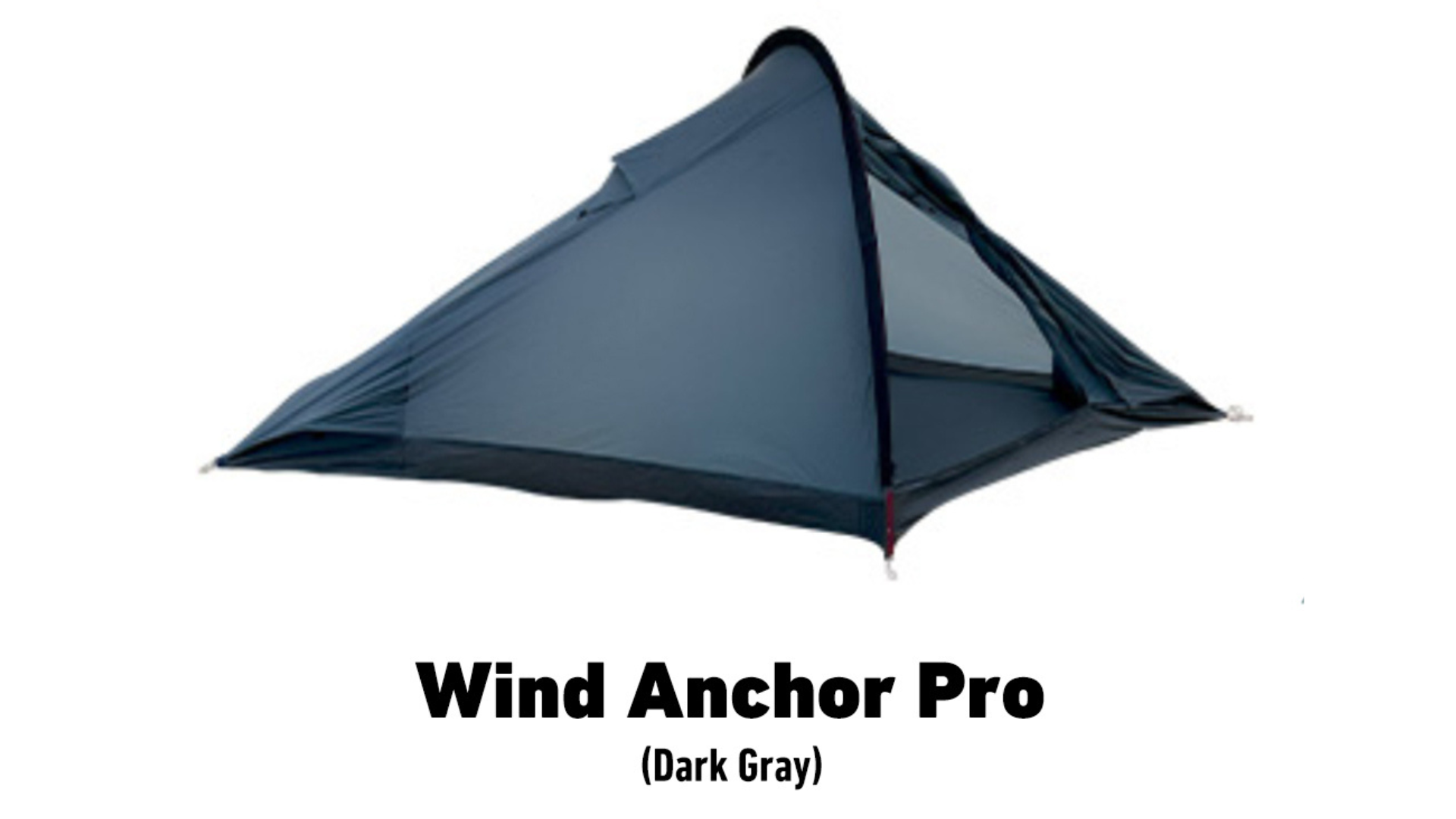
Rooftop tents minimize footprint but increase vehicle center of gravity and servicing complexity; they fit a different risk profile. Ground freestanding shelters avoid vehicle interface risk but demand larger exclusion zones and anchoring infrastructure. A freestanding canopy with a removable, vehicle-protective interface delivers a middle path: lower attachment risk, moderate footprint, and predictable maintenance steps. Choose based on quantified mission metrics—deployment time per unit, acceptable footprint per campsite, and the maximum allowable downtime per season.
Procurement checklist and acceptance testing
Require a vendor packet with: verified wind and waterproof ratings, detailed load-path drawings, a bill of materials with replaceable-part SKUs, and a 12–24 month warranty tied to defined service actions. Acceptance should include a full setup/teardown timed trial, a salt-spray or equivalent corrosion assessment for coastal operations, and a documented spare-parts plan. Contractually tie warranty claims to a simple field-failure reporting format to reduce adjudication friction.
Strategic synthesis
Fix the problem by aligning shelter selection to measurable operational constraints: isolate vehicle loads, quantify environmental ratings, and mandate replaceability. For organizations that need a modular, asset-minded canopy that balances structural clarity and field usability, the product approach embodied by THECATAL reflects those design priorities without adding unnecessary attachment risk.