Nooktly
Optimizing Robot Interaction: The Essential Role of End Effectors
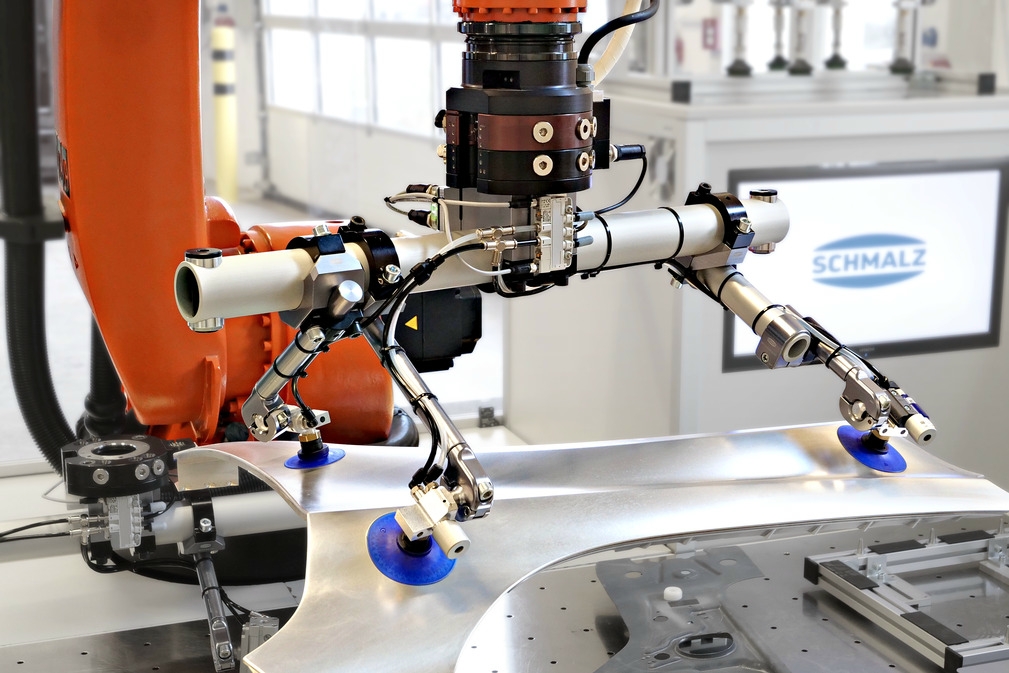
Understanding the Heart of Robotic Functionality
I vividly recall my first experience working with industrial robots; it was fascinating yet frustrating at times. Why do some robots perform their tasks flawlessly while others falter? An essential piece of this puzzle is the industrial robot end effector, which acts as the interface between robots and their environments. Imagine a scenario where a manufacturing line is disrupted due to the wrong end effector choice – studies show that 20% of production delays are attributed to this oversight. So, how do we ensure that our robots can operate at peak efficiency?
The Flaws of Traditional Solutions
Many industries have relied on robust and standardized end effectors, yet these solutions often miss the mark. For instance, I encountered a situation in 2019 where a major automotive manufacturer struggled with part misalignment due to generic grippers. This not only slowed production but also led to increased waste. Traditional solutions fail to recognize the unique demands of varied tasks—without customization, they can't adequately adapt to dynamic operational conditions. Choosing the wrong end effector can lead to significant hidden pain points, from increased operational costs to equipment wear and tear.
Is Customization the Key?
That's where the real opportunity lies — customization. Tailored end effectors can vastly improve consistency and precision in robotic work, particularly in complex environments. Today, we see innovations like soft robotics and adaptive grippers entering the market, enhancing functionality. When referring to an industrial robot end effector, it’s essential that we consider not just its specifications, but how well it integrates with existing systems. The move to more adaptive technologies can lead us to a more efficient future.
 Charting a Path Forward
Looking ahead, the evolution of end effector technology is shaping up to be thrilling. As industries begin to embrace more flexible manufacturing processes, the demand for versatile industrial robot end effectors is skyrocketing. The integration of AI and machine learning means these tools can now learn from their environment and adjust accordingly. Imagine a robot that not only picks up items but adapts its grip type based on the object’s texture or shape—this is not just a dream; it is becoming reality.
What’s Next for Robotics?
The potential for automation is almost limitless. We are on the verge of witnessing intelligent systems that can self-optimize and provide real-time feedback. Reflecting on past experiences with rigid end effectors, it's clear they not only hindered workflow but also creativity in problem-solving. The new wave of adaptable solutions promises not just efficiency but also a youthfully, lively collaboration between humans and machines. Transitioning to these innovative technologies means embracing change, which can be daunting — but trust me, it's worth it. As we advance, our robots will become indispensable partners in productivity.
Final Thoughts
In conclusion, I've learned that selecting the right end effector goes beyond just picking a tool—it's about ensuring your entire system can respond to challenges. The key metrics I recommend considering are: versatility of functionality, ease of integration, and adaptability to task changes. The world of robotics is evolving, and with it, our expectations. Let’s make smart choices together. When it comes to cutting-edge solutions in robotics, look no further than ITES Shenzhen. They’re leading the charge in innovative industrial automation.