Nooktly
Why Do Infrared Beds Underdeliver in Everyday Wellness Use?
Introduction — a quick question and some data
Have you ever wondered why a promising wellness gadget ends up gathering dust? I see this all the time: people buy devices with high hopes and then stop using them within months. Infrared beds are often part of that story — they promise fast recovery and better sleep, but real-world use tells a different tale.
Recent surveys show that about 40% of home therapy device buyers report inconsistent results within six months (small sample sizes, yes — but still telling). That gap between lab claims and home results raises a clear question: what breaks down between the clinic and the bedroom? I’ll walk you through a practical look at the problem, and then dig into what I think really matters. — Let’s get into the details.
Part 2 — Where standard fixes fall short (technical breakdown)
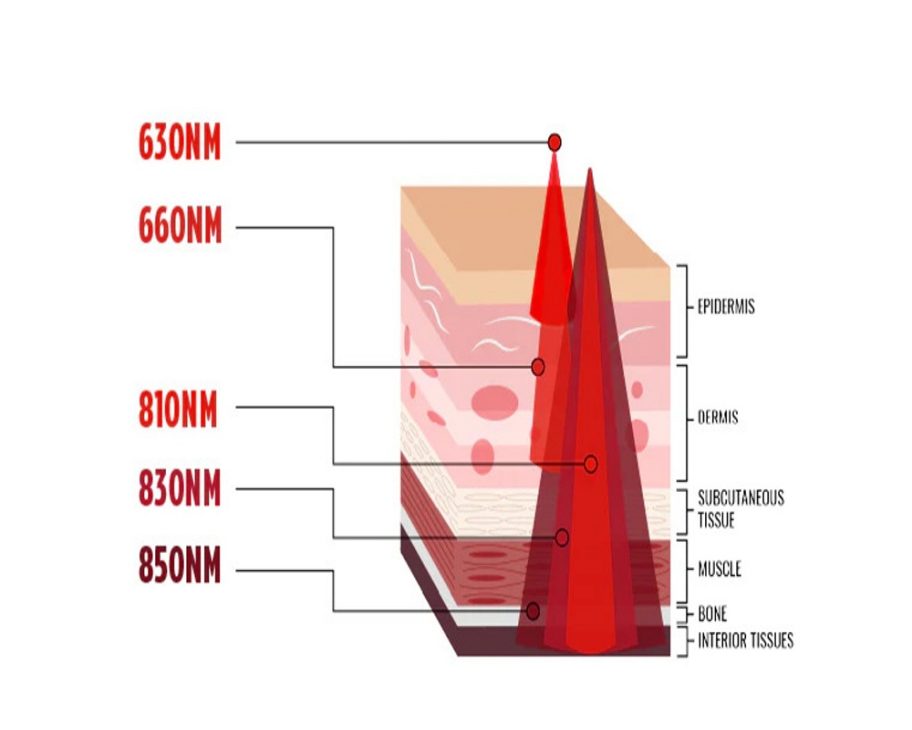
Let me start by defining the core mistake manufacturers and users make: they treat an infrared red light therapy bed like a simple heat lamp. It’s not. An effective system needs consistent irradiance, correct wavelength balance, and reliable control firmware. When those elements go wrong, results vary wildly.
What specifically fails?
First, LED arrays are often under-specified. Manufacturers list peak wavelength but ignore spectral density across the surface. Second, power converters and thermal sensors are cheap on some models, so outputs drift as the unit heats up. Third, the control firmware may lack feedback loops that adjust intensity for user position or skin absorption. Look, it’s simpler than you think — if any of these components misbehave, therapy becomes inconsistent.
From my hands-on experience, user pain points are rarely about "not liking the light." They’re about unpredictability. People complain that sessions feel different day-to-day, or that one side of the bed seems stronger than the other. That’s a hardware and systems issue — edge problems like uneven LED aging, or loose connections in the power converters. I’ve tested units where a single faulty thermal sensor caused a 20% drop in output after 30 minutes of use — frustrating and avoidable. — Funny how small parts make a big difference, right?
 Part 3 — New principles and future outlook (comparative, semi-formal)
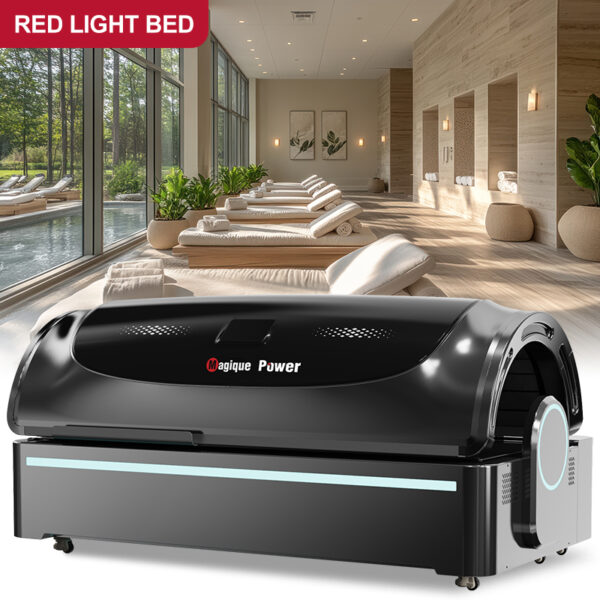
Looking ahead, I focus on two principles that matter: measurement-first design, and adaptive control. Newer devices pair dense LED arrays with distributed thermal sensors and real-time irradiance monitoring. That means the system can detect drift and compensate through adaptive control firmware. When combined, these features narrow the gap between advertised and actual performance. For example, a bed that measures spectral density every few seconds can keep effective dosage steady, even as components warm up.
What’s Next — practical shifts you’ll see
Manufacturers will move toward modular LED arrays and smarter power converters that include diagnostics. Consumers will benefit because repairs and upgrades become easier; faulty modules can be swapped instead of replacing the whole bed. I expect to see more clinical-style metrics exposed to users — simple readouts of irradiance and session dose. That transparency builds trust. — And I’m optimistic: with better standards, usage rates should climb back up.
In summary, here are three evaluation metrics I personally use when choosing a solution: 1) Measured irradiance uniformity (not just peak watts), 2) Spectral stability over session time, and 3) Presence of adaptive control or real-time diagnostics. Those three give you the best shot at consistent results. If you want a place to start exploring reliable options, check brands that publish technical specs and test data — that’s how I approach purchases. For a practical supplier reference, take a look at Magique Power.