Nooktly
Practical Home and Garden Enhancements: A Guide to Quiet, Concrete Improvements
Practical tips for home improvement and garden care that blend interior flourish with outdoor resilience.

Foundations of a Cohesive Home and Garden Plan
Creating a cohesive space begins with clear, actionable goals that blend interior comfort with outdoor utility. Start by assessing light, drainage, and traffic flow around the house, then map zones for relaxation, cultivation, and storage. A simple, well-structured plan helps you prioritize projects that deliver the biggest daily payoffs, from a refreshed entry to a productive herb bed. Consider seasonal windows for improvements to avoid overextension while maintaining momentum, and reference local resources to tailor ideas to your climate. For a deeper look, see British Pond Plants.
As you outline your plan, embed sustainable choices that reduce ongoing costs and environmental impact. Choose durable materials that withstand weather and wear, and favor low-maintenance plants that bring year-round texture without heavy upkeep. Integrating energy-efficient tweaks—LED lighting, smart thermostats, and insulated doors—supports both interior comfort and exterior ambiance, reinforcing a sense of consistency across spaces. Small changes add up to a transformed, livable home landscape.
Garden Design Principles That Stand Up to Time
Effective garden design starts with scale, proportion, and repetition, creating calm through predictable rhythms. Pair tall backdrops with mid-height structure and low ground covers to soften edges while preserving sightlines. Introduce a color strategy that shifts with the seasons, using repeated plant families for harmony rather than random choices that feel cluttered. A strong foundation of healthy soil unlocks vigor, flavor, and fragrance throughout the growing year.
Texture is the secret weapon in any garden makeover, combining glossy, matte, and fuzzy leaves to catch light and movement. Layer plants with different bloom times to deliver ongoing interest, while pairing perennials with seasonal annuals for reliable color. Water-wise practices, such as mulching and drip irrigation, protect moisture in droughts and reduce maintenance, allowing you to enjoy the garden instead of constant upkeep.
Interior-Inspired Outdoor Spaces
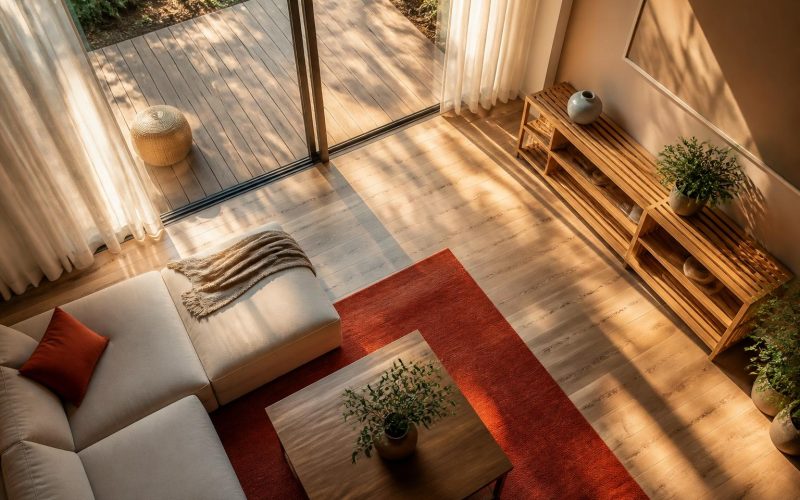
Bringing interior sensibilities outdoors means choosing furnishings and materials that endure weather yet feel welcoming. Use durable cushions with removable covers, weatherproof rugs, and seating that invites lingering. A shaded patio or covered veranda can function as an extension of living rooms, where conversations flow naturally and tasks like reading or crafts become easy to pursue. Thoughtful layout and seasonal textiles elevate everyday outdoor living.
Lighting plays a critical role in transitioning spaces from day to night, delivering safety and mood in equal measure. Combine warm string lights with stake lanterns and under-seat LEDs to create layers of glow that adapt to gatherings. When planning decor, reflect natural tones and soft textures that echo interior palettes, fostering a seamless blend between home and garden throughout the year.
Water Features and Their Quiet Value
Water features bring movement, sound, and wildlife interest, enriching both decor and microclimates. A compact fountain or shallow pond can anchor a seating circle, while a simple recirculating pump keeps maintenance minimal. Position your feature to be visually engaging from multiple vantage points, ensuring it complements both the houseline and the garden path. Maintenance strategies—regular skimming, filters, and seasonal debris removal—keep the soundscape serene rather than noisy.
Consider native aquatic plants to reduce upkeep and boost ecological value, creating a habitat for beneficial insects and birds. A small planting plan around the water surface enhances color and texture with minimal effort. If space is tight, use vertical or container-based water features for flexibility and easier seasonal adjustments without compromising aesthetics.
Soil, Mulch, and Planting Strategy
Healthy soil is the foundation of a thriving garden, influencing everything from growth rate to disease resistance. Begin with a soil test, then amend with compost, aged manure, or organic blends to balance nutrients and improve structure. Mulching after planting protects moisture, suppresses weeds, and stabilizes soil temperature, creating a favorable environment for roots to explore and establish themselves over seasons.
When selecting plants, prioritize those suited to your light, water, and soil conditions, then group them by water needs to simplify maintenance. Raised beds can boost drainage and accessibility, making gardening more enjoyable for a wider range of households. Keep a simple rotation schedule to maintain soil vitality and prevent nutrient depletion across successive crops.
Decorative Details: Texture, Color, and Form
Decorative elements should echo interior themes while respecting outdoor practicality, creating continuity between spaces. Use a restrained color palette with occasional accent hues to highlight focal plants, furniture, or architectural features. Sculptural forms, such as grasses or architectural shrubs, add movement and year-round structure without heavy maintenance, while seasonal blooms deliver bursts of color at specific times of year.
Textile choices for outdoor areas—sunbrella fabrics, ceramic planters, and woven baskets—can elevate decor while proving durable against weather. Introduce artful accents like wall-mounted planters or weatherproof sculptures to reflect personal style. A cohesive decor approach unites home and garden, helping each space feel intentional and welcoming regardless of season.
Seasonal Maintenance Calendar and Quick Wins
Develop a practical seasonal calendar that balances big projects with routine maintenance. Spring calls for cleanups, pruning, and soil work; summer demands irrigation checks and pest monitoring; autumn invites planting of cool-season crops and leaf management; winter emphasizes protection and inspection. Keep a simple checklist for each period to ensure nothing slips through the cracks and progress remains steady.
Fast, high-impact tasks can sustain momentum between larger projects. Fresh mulch boosts soil health and curb appeal; a fresh coat of exterior paint or sealant guards against moisture; pruning to shape shrubs can rejuvenate growth and improve air circulation. By prioritizing small wins with predictable timing, home improvement and gardening efforts stay enjoyable rather than overwhelming.
Resource Spotlight
- Plant sources: Local nurseries and specialist suppliers for climate-appropriate selections.
- Tools and storage: Modular sheds and organizers to keep tools tidy and accessible.
- Seasonal decor: Weatherproof accents that echo interior color schemes.