Nooktly
Practical Garden Central: 7-Point Guide to Elevate Outdoor Spaces with Smart Home Improvements
A practical, garden-focused guide blending exterior upkeep with home improvement ideas to elevate outdoor living and decor.
Blending Outdoor Space with Home Improvement Goals
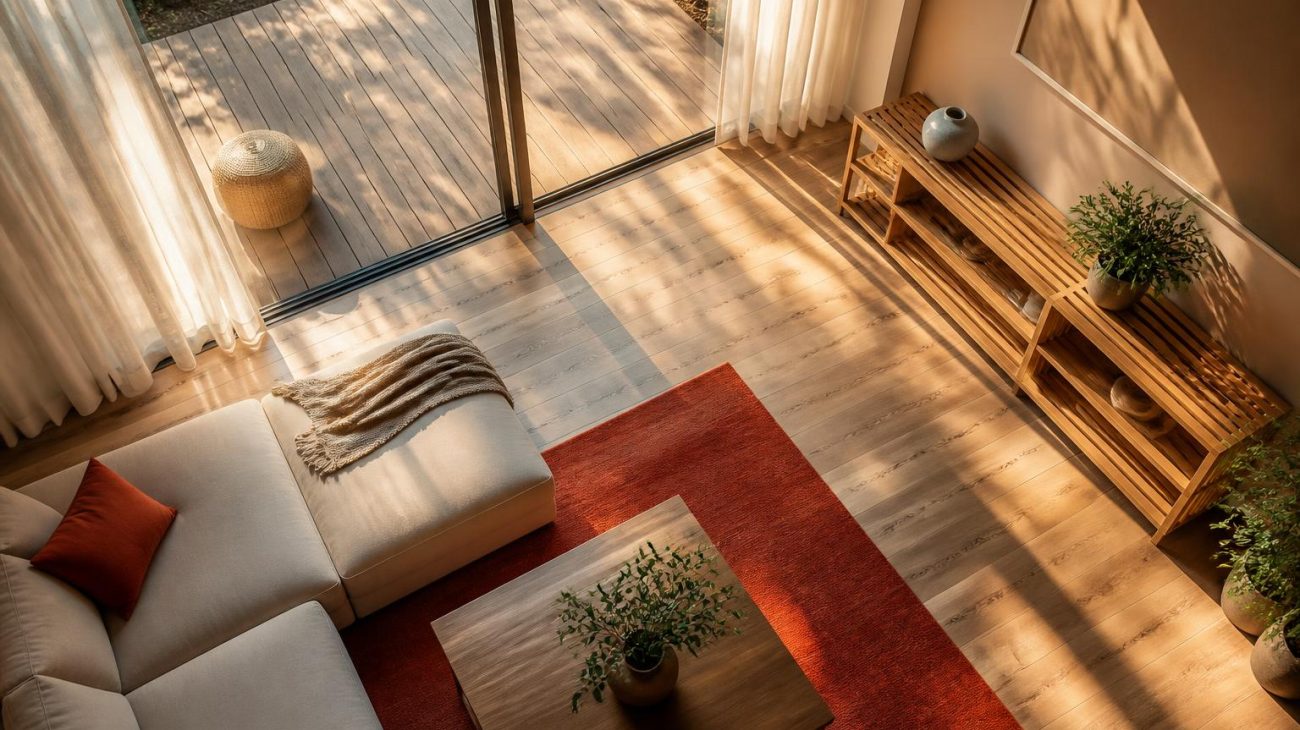
Creating a cohesive outdoor area begins with clear goals that tie garden success to interior comfort. Start by assessing sunlight, drainage, and wind patterns, then map those findings to how you plan furniture, pathways, and plant choices. This approach helps you control maintenance loads while delivering a seamless transition from interior to exterior living spaces, so the house feels complete rather than segmented. The result is a garden that mirrors the polish of your interior rooms, with purpose behind every plant and piece of hardware. lidar technology informs you where to place features for optimal sightlines and irrigation efficiency, turning rough terrain into a navigable garden.
Investing in robust materials and adaptable layouts reduces long-term upkeep while boosting curb appeal. Consider multi-season plantings, weather-resistant furniture, and modular storage that keeps tools organized and accessible. When you plan with both garden and decor sensibilities, you create a space that feels curated rather than hurried, inviting guests to linger and families to spend time outdoors without sacrificing interior aesthetics or comfort.
Soil Health as the Foundation of Gardening and Decor
Healthy soil is the quiet engine behind thriving plants, vibrant blooms, and the texture that anchors garden design. Start with a soil test to determine pH, nutrient levels, and organic matter content, then amend with compost, worm castings, and mineral blends tailored to your crops. A well-balanced bed supports colorful perennials and productive edibles alike, providing a stable base for mulch, edging, and decorative stones that elevate the overall decor of your outdoor room.
Regular soil care creates a resilient garden that requires less watering and fewer chemical inputs, which aligns with sustainable home improvement practices. Use compost tea during drought cycles to feed roots without saturating the soil, and rotate plant families to maintain nutrient balance. The payoff is a garden that requires less intervention, yet remains rich in texture and color, reinforcing interior ideas of calm and order.
Water Management for Beauty and Efficiency
Effective irrigation ties garden health to resource conservation, a principle that resonates with mindful home improvement. Start with a simple drip system or soaker hoses connected to a smart controller, allowing precise moisture delivery at root zones. Group plants with similar water needs and topdress beds with mulch to minimize evaporation, which sustains a lush landscape while trimming water bills and maintenance time.
Plan drainage with gentle slopes and permeable surfaces to prevent pooling after storms, preserving plant health and walkable paths. Incorporate rain gardens or bioswales for stormwater management, which doubles as a focal point in your decor and an educational feature for visitors. When water is used strategically, the garden feels more intentional and easy to maintain, echoing tidy interior design habits.
Seasonal Transitions: Color Schemes and Structure
Seasonal transitions offer opportunities to refresh both plantings and decor accents. Choose a core color palette that translates across outdoor fabrics, pots, and trellises, then layer in seasonal blooms for accents that shift with the calendar. A consistent structure—arches, lattice, or raised beds—gives the garden an architectural backbone that supports interior-style continuity and reduces design fatigue.
Plant combinations that extend interest from early spring to late fall keep the garden vibrant while minimizing replanting pressure. For example, pair drought-tolerant evergreens with flowering perennials and annuals that fill gaps during peak seasons. The end result is a dynamic, gallery-like space that still feels practical and livable, mirroring the clean lines of contemporary interior decor.
Paths and Lighting: Guiding Motion and Mood
Hardscape choices mold traffic flow and define zones for dining, lounging, and gardening tasks. Use gravel or pavers to create gentle curves that invite wandering, while keeping gradients accessible for all ages. Integrate stepping stones with soft groundcovers to reduce maintenance and add tactile interest that complements outdoor decor, ensuring that movement through the yard feels intentional and safe after dusk.
Lighting is the secret to extending usable hours and highlighting plant architecture. Combine low-voltage path lights with uplights for trees and shrubs to sculpt silhouettes at night, while warm-toned bulbs in seating areas create a hospitable atmosphere. Thoughtful lighting enhances the perception of space, linking exterior improvements to interior warmth and comfort after sundown.
Containers, Plant Picks, and Interior-Exterior Dialogue
Container gardens offer flexible color, texture, and scale, making them ideal for apartments or homes with limited ground space. Choose a mix of durable pots in complementary materials, then group them near entryways and seating to echo interior vignettes. Plants with varied foliage—silvered grasses, glossy leaves, and bold blooms—provide year-round interest that mirrors the layering found in well-designed interiors.
Maintenance-friendly selections like ornamentals, herbs, and compact vegetables can bridge gardening and decor, offering fresh yields and fragrance. Rotate plantings seasonally and repurpose containers to reflect evolving styles, ensuring the exterior continually mirrors interior updates. The dialogue between pots, plants, and furniture reinforces a cohesive home aesthetic that feels curated rather than coincidental.
Sustainable Practices That Benefit Both Indoor and Outdoor Spaces
Adopting sustainable practices strengthens the link between home improvement and gardening, reducing long-term costs and environmental impact. Install a rain barrel to capture runoff for irrigation, use native species that require less maintenance, and select energy-efficient lighting that reduces electricity use. These choices connect the care of the garden with broader interior systems, reinforcing a holistic approach to the home.
Compostable waste, integrated pest management, and waterwise techniques support a resilient landscape that aligns with eco-conscious decor. Create a small composting area that doubles as a designed feature, and use natural pest deterrents to protect plants without chemicals. The result is a healthier ecosystem around the home, which resonates with interior values of balance, sustainability, and thoughtful stewardship.