Nooktly
A Practical Guide to Sustainable Home Gardening and Interior Harmony
Practical tips to blend gardening, decor, and home improvement for a cohesive living space that thrives year-round.
Foundations of a Garden-Driven Home
Creating a cohesive living space begins with aligning outdoor and indoor routines. Start by selecting plants that echo your interior color palette, then design plant placements that guide traffic and light through rooms. Embrace a simple, repeatable maintenance schedule to keep soil healthy and beds tidy, while ensuring the interior decor remains accessible and stylish. Consider a smart lawn mower as a time-saving solution that supports busy schedules, especially during peak growing seasons; smart lawn mower helps keep lawns neat without sacrificing sustainability.
Think in terms of zones: a cooking garden near the kitchen, a calming enclave for reading, and a bright, productive patio for entertaining. Use durable, weather-resistant materials that translate well from exterior to interior accents, such as stone, wood, and soft textiles. By planning with purpose, you can pursue home improvement goals that honor gardening efforts and elevate decor without overcomplicating maintenance.
Soil Health and Plant Selection
Healthy soil is the backbone of thriving plant life and a clean, low-stress interior atmosphere. Start with a soil test to understand pH and nutrient levels, then amend with compost and composted bark to improve texture. Choose native perennials and drought-tolerant species that resonate with your climate, reducing water use and fertilizer needs while ensuring vibrant color year after year. Small changes here ripple outward to greener decor and easier interior management.
Apply mulch to protect moisture, suppress weeds, and stabilize soil temperature, which helps seedlings establish quickly. When planning beds, group plants with similar water and sun needs to minimize maintenance and maximize visual impact. This thoughtful approach aligns with interior design sensibilities, where balanced color, rhythm, and texture create a calm, cohesive home environment.
Water Management and Irrigation
Efficient irrigation is not only environmentally responsible but also a key contributor to interior comfort, especially in homes with open-plan layouts. Install a drip system or soaker hoses for garden beds, paired with a rain barrel to capture runoff for dry spells. For patios and container plantings, use self-watering pots to minimize daily watering chores and support consistent growth without overwatering sensitive roots.
Map watering to seasonal needs, adjusting frequencies as temperatures rise or fall. A mulched garden retains moisture and reduces evaporation, keeping both exterior and interior spaces cooler during heat waves. Incorporating water-wise strategies aligns with decor goals, creating a serene, sustainable ambience that enhances curb appeal and interior air quality.
Outdoor Living and Entertaining
Create inviting exterior rooms that mirror your indoor zones, using outdoor rugs, weatherproof pillows, and durable furniture that withstands sun and rain. Lighting matters: combine warm string lights, solar lanterns, and task lighting to extend usable time at dusk, turning patios into year-round social hubs. When you host, a thoughtfully arranged herb garden nearby provides fresh accents for meals and interior decor alike, reinforcing garden-to-table living.
Plant decisions should support year-round interest, so blend evergreens, flowering perennials, and seasonal annuals to maintain visual appeal across seasons. Use planters of varying heights to add architectural rhythm, echoing vertical lines found in interior shelving or window treatments. A well-designed outdoor space will feel like an extension of the home, encouraging daily gardening and mindful interior refresh cycles.
Pest Management and Plant Health
Integrated pest management preserves plant health while protecting indoor air quality and occupant well-being. Start with proactive choices: diverse plantings reduce pest outbreaks, beneficial insects can be encouraged with flowering companions, and avoid broad-spectrum chemicals that linger in homes’ ventilation. In containers near doors and windows, use organic deterrents and humane methods to minimize intrusion into living spaces.
Regular monitoring is essential; inspect leaves for signs of stress, scale, or aphids, and respond promptly with targeted treatments. Healthy plants without excess fertilizer tend to resist problems better, supporting a calmer interior atmosphere. By adopting a thoughtful pest-management routine, you protect both your garden and your interior decor, ensuring a balanced, low-stress environment.
Decor, Color, and Plant Pairings
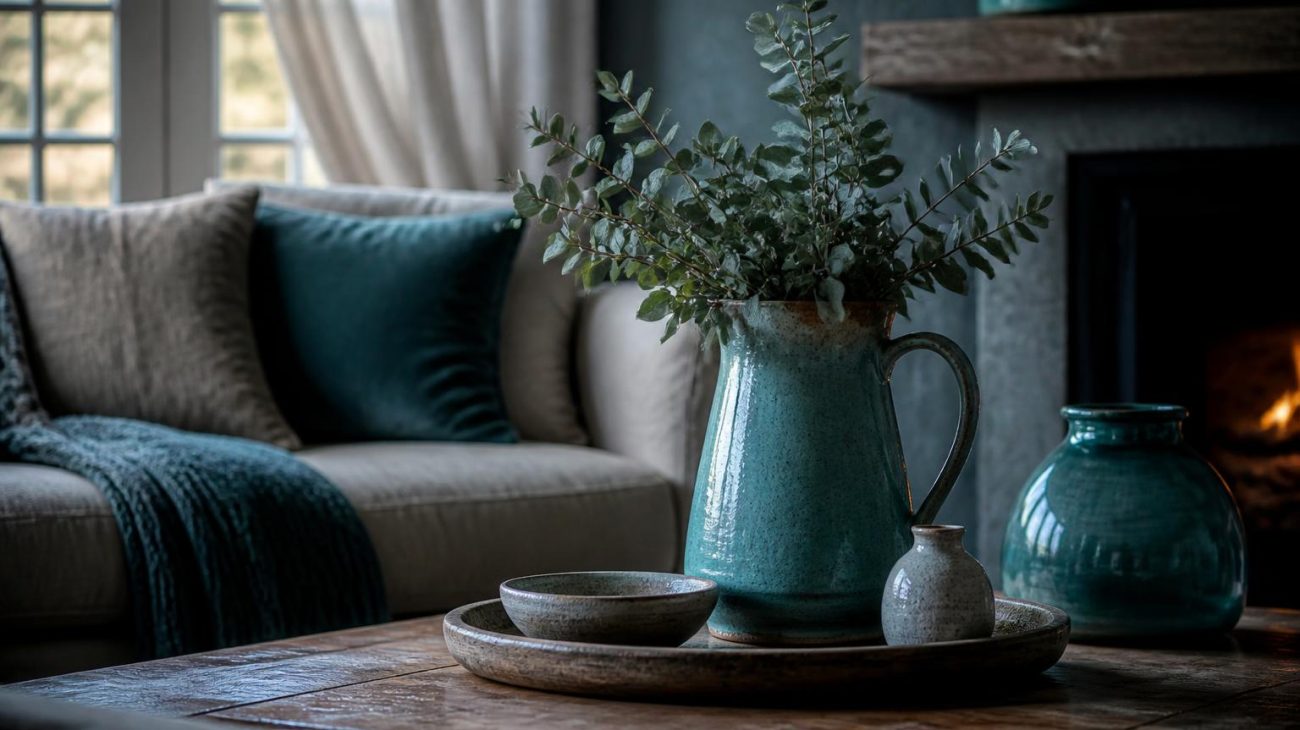
Decor decisions should weave together color stories from both garden and interior. Pull hues from flowering plants for accents in textiles, artwork, and wall colors, creating a seamless aesthetic between spaces. Use natural textures such as woven baskets, wooden bowls, and stone sculptures to echo garden materials, reinforcing a cohesive, nature-inspired home narrative.
Incorporate scent as a design tool by choosing flowering species with appealing fragrance near entryways and seating areas. Visual texture matters as well: mix glossy leaves with matte finishes to reflect light differently in each season. When decor aligns with garden elements, you’ll enjoy a more tranquil, inviting home year-round that invites both gardening and interior exploration.
Seasonal Maintenance and Planning
Adopt a seasonal planning calendar that notes planting dates, pruning windows, and fertilizer cycles. Break tasks into weekly micro-goals to prevent overwhelm, and pair garden tasks with home improvement projects such as painting a fence or refreshing outdoor furniture. A steady rhythm keeps both the garden thriving and interior spaces feeling fresh, reducing tasks piled up at peak seasons.
Use rain sensors and weather alerts to adapt schedules, ensuring you aren’t over- or under-watering plants during sudden climate changes. Prepare a simple toolkit with pruning shears, trowels, and a moisture meter to streamline routines. With disciplined planning, you’ll sustain garden vitality and maintain interior decor updates that reflect the evolving outdoor space.
Texture and Structure in Small Gardens
- Vertical elements like trellises and obelisks add height without crowding ground space.
- Repetition of plant shapes creates a visual rhythm that complements interior shelving lines.
- Defined borders keep pathways clear, reducing indoor dust and keeping the home tidy.
Texture and Structure in Medium Gardens
- Layered plant heights produce depth, echoing layered drapery and upholstery in rooms.
- Stone, wood, and ceramic textures link exterior seating with interior surfaces.
- Seasonal containers provide color shifts that energize decor throughout the year.
Texture and Structure in Large Gardens
- Defined garden rooms mimic interior floor plans, guiding movement and use.
- Hardscape features like paths and terraces create architectural lines visible from indoors.
- Strategic shade plants protect interior windows from glare while cooling adjacent spaces.